Dyslexia
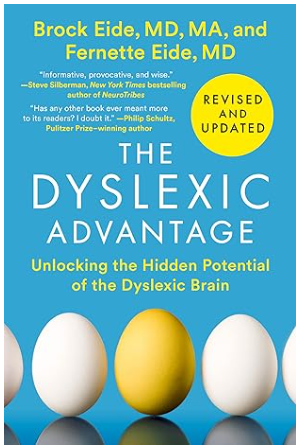
https://www.dyslexicadvantage.org/Both of my children have been diagnosed with dyslexia. They are definitely not alone since many studies cite that as many as 1 in 5 people have dyslexia. Over the years, I have come to realize that this is a fascinating type of neurodiversity. Dyslexia can be the source of many academic challenges, but it can also be the source of even more remarkable abilities.

Universal Design for Learning
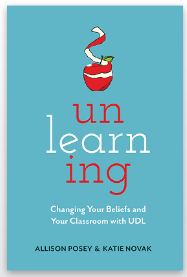
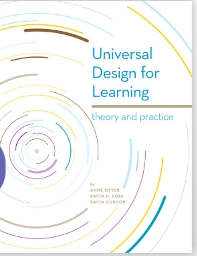
Universal Design for Learning (UDL) is the foundation for my approach to all instructional planning. These books from CAST are great resources to help you define and implement how you can leverage UDL in your classroom.
Mathematics Content Progressions
The Ongoing Assessment Project’s Frameworks


Click the image to access this document created by Achievement Network. The 2020 document uses coherence map information from Achieve the Core. It provides guidance on pacing and balance between addressing unfinished learning and teaching grade-level content.
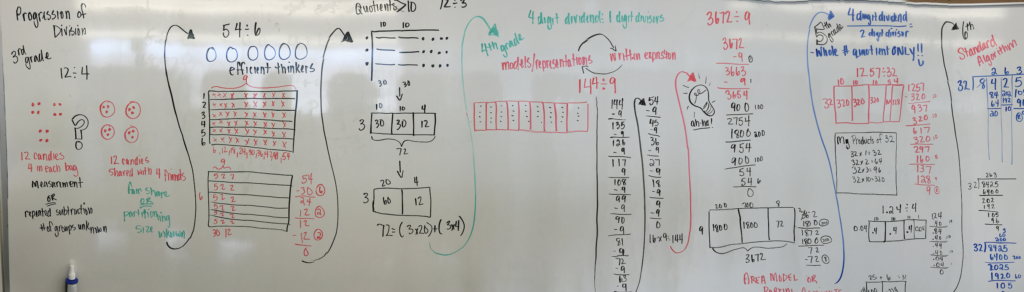
If you are looking for a quick way to get an overview of math content progressions with both great visuals and explanations, this link is for you! Graham Fletcher has great videos that walk you through the progressions for counting, addition, subtraction, multiplication, division and fractions.
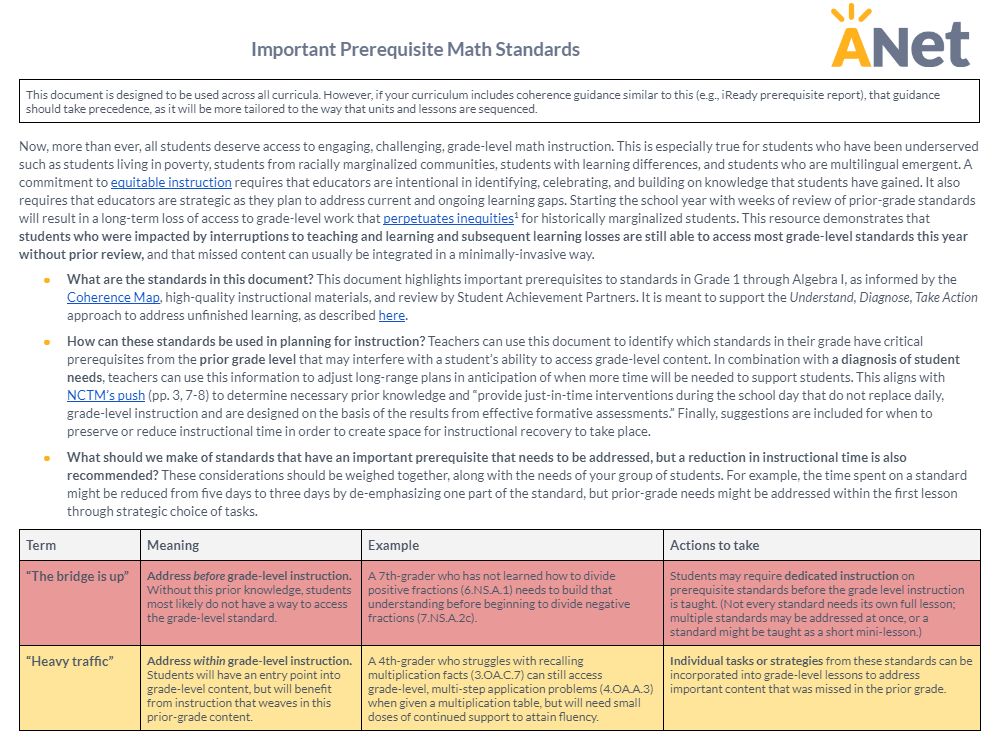
Click the image to access this document created by Achievement Network. The 2020 document uses coherence map information from Achieve the Core. It provides guidance on pacing and balance between addressing unfinished learning and teaching grade-level content.

Click here for access to a series of card sorts that I shared NCTE/NCTM, and AMTNYS Conferences.
Checkout the Instructional Resources on the PEMA website. At the top you will links to videos and articles on best practices for instruction. When you scroll down, click on your grade level for free downloadable whiteboard templates and more!